

Tips for Running in Rain, Snow, Cold, and Heat
Quick answer: To run safely in bad weather, start with grippy shoes, make yourself visible with bright colors, reflective gear, and a headlamp, and dress in breathable layers you can adjust. In rain, add a brimmed hat and a light waterproof shell. In snow, add gloves, a neck gaiter, and a warm hat. In heat, carry water, wear sun protection, and choose light, wicking clothes.
If you run in the Pacific Northwest, you know the weather won't always cooperate. Rain, snow, cold snaps, and summer heat all come with the territory. With the right preparation, you can stay safe, comfortable, and keep enjoying your runs year-round.

Start With the Right Shoes
Weather can change fast, and you could get caught in sleet, rain, or snow mid-run. Your shoes are your first line of safety. Choose trail or road shoes with good grip to cut down on slips, and make it a habit to check your tread before or after runs. A water-repellent treatment can help shed light moisture, and waterproof socks are a great option for long, soggy runs.
Be Visible
Running after dark or in rain or snow means drivers may have a harder time seeing you. Make yourself stand out:
- Wear reflective gear such as a vest, armbands, ankle bands, or shoe clips, or add reflective tape to your clothing.
- Choose bright colors like yellow, orange, or white.
- Wear a headlamp so you can see the path and be seen.
Layer, Layer, Layer
Running warms you up quickly, but you still need to start out dressed for the cold. Wear a breathable base layer, add a stretchy, insulating fleece top as needed, and top it with a breathable softshell or wind jacket to block wind and light precipitation. Dress so you feel slightly cool when you start.
Running in Snow and Cold
Hold on to body heat by adding warm gloves, a neck gaiter, and a hat. Keep your feet dry with weather-resistant shoes or waterproof socks as you run through slush and snow, and consider traction devices on icy routes.
Running in Summer Heat
Stay hydrated. A hydration pack or vest makes it easy to carry water on long runs; choose a reservoir size that fits your usual distance. Wear a hat and sunscreen, and dress in lightweight, wicking clothing that moves sweat off your skin, prevents chafing, and helps you stay cool.
Running in the Rain
- Wear a visor or brimmed hat to keep rain out of your eyes.
- Use clear or light-tinted glasses in a downpour.
- A lightweight waterproof shell keeps you dry, but even breathable shells trap some heat during hard efforts, so vent it or save it for heavy rain.
With the right preparation, you can enjoy running in any weather. Trail running shoes, headlamps, and running layers are available at our Grand Avenue store in Portland's Central Eastside.
Shop Running Gear for Wet Weather
- Rossignol Men's Venosk Trail Running Shoe Grippy trail shoe
- Rossignol Women's Venosk Trail Running Shoe Grippy trail shoe
- Topo Men's Pursuit 3 Cushioned trail runner
- Showers Pass Crosspoint Waterproof Socks Dry feet in puddles
- Showers Pass Neck Gaiter Warmth on cold runs
- Smartwool Run Zero Cushion Socks Light merino running sock
- Patagonia Women's Torrentshell 3L Waterproof shell for downpours
- Snow Spikes Traction Grip on icy routes
Running in Bad Weather FAQ
Is it safe to run in the rain?
Yes, with preparation. Wear shoes with good grip, a brimmed hat, and visible or reflective clothing, and watch for slick surfaces. Avoid running in lightning.
What should I wear running in cold weather?
Wear a breathable base layer, an insulating fleece if needed, and a wind-resistant softshell, plus gloves, a hat, and a neck gaiter. Dress so you feel slightly cool at the start.
How do I stay visible when running in the dark?
Wear bright colors, reflective vests or bands, and a headlamp. Reflective accents on moving parts like ankles and wrists are especially noticeable to drivers.
How do I keep my feet dry when running in wet weather?
Waterproof socks are one of the best options for wet runs, and a water-repellent treatment on your shoes can help shed light moisture. Merino socks stay warmer when damp.
This article includes information from Personal Injury Help, an organization that provides public information about personal injury and safety. Nothing in this article should be construed as legal advice; it is intended for informational use only.
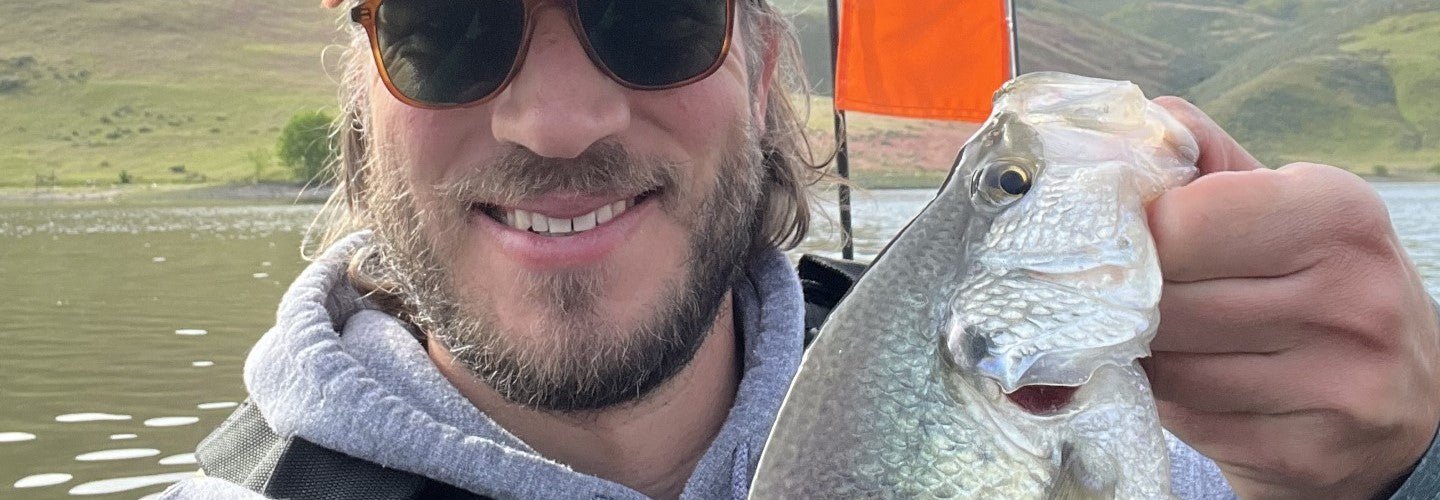
Brownlee Crappie Shootout Recap: Kayak Fishing Brownlee Reservoir
Quick take: The ninth annual Brownlee Crappie Shootout on Brownlee Reservoir near Richland, Oregon, was a great day o...
Read More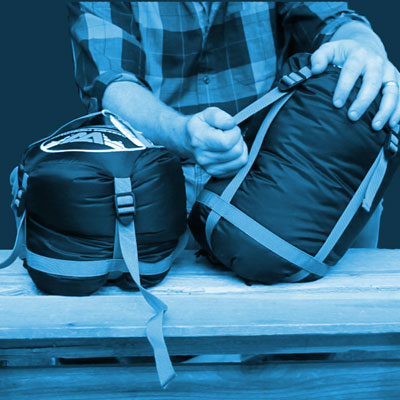
How to Pack with Compression Sacks (Video)
Quick answer: To pack with a compression sack, stuff your sleeping bag in one handful at a time starting with the foo...
Read More
The 12 Days of Yakmas: Gift Ideas for the Kayaker on Your List
Quick take: The best gifts for kayakers are the things they use up, lose, or never have enough of: paddling gloves or...
Read More